|
IC & Payment Card Modules Description
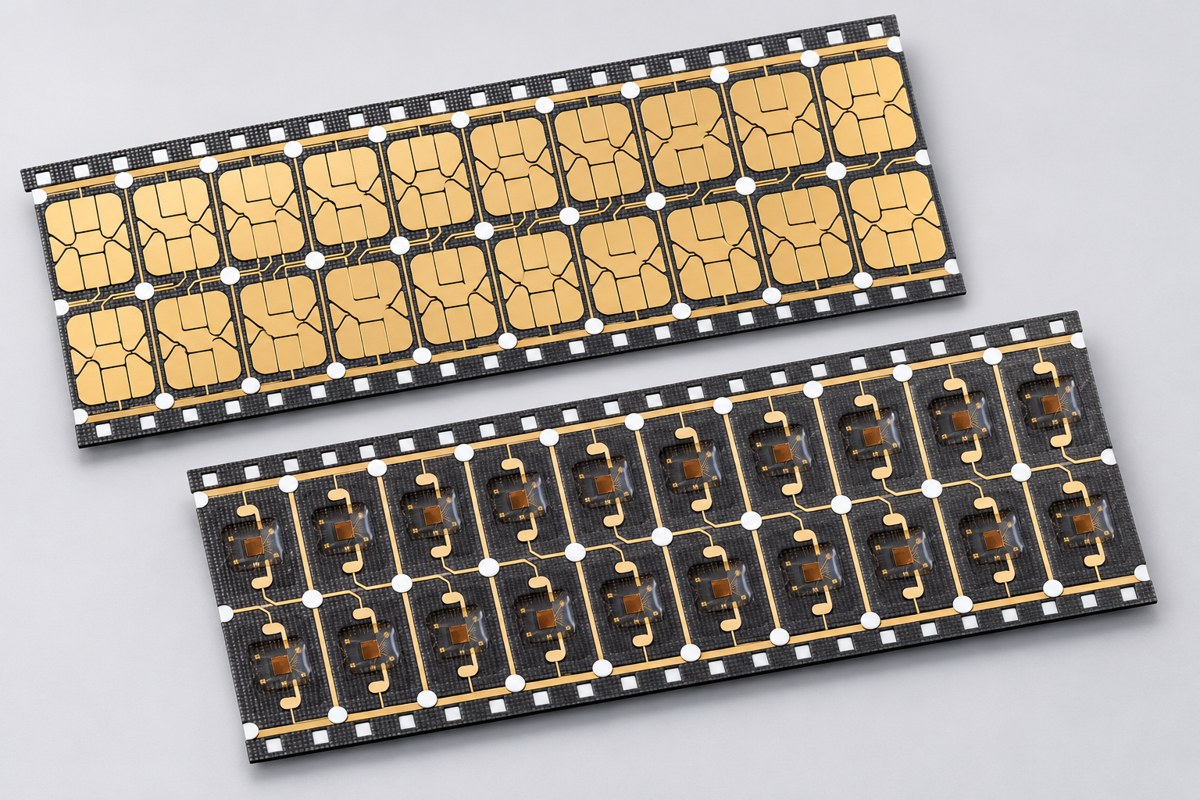
An IC card module combines a semiconductor chip with the physical interface used to integrate it into a card. Module selection links the chip specification with card construction, reader compatibility and the intended application. HIC SMART's card-module product family is a starting point for discussing those requirements. Interface selectionDefine contact or contactless communication and the corresponding chip, reader and system requirements. Card integrationReview the module outline, contact pattern, card cavity and embedding process together. Program requirementsIdentify personalization, inspection and application approval needs at the beginning of the project. 01 / PRODUCT OVERVIEW Understand the product familySelect the appropriate interfaceContact card modules communicate through physical electrical contacts. Contactless products use a radio interface and must be considered together with the antenna and card construction. Confirm the interface, chip reference and reader or system compatibility for the selected product. Application-focused product selectionCard modules are used in payment, identity and telecom-related applications. Each project may involve different chip functions, memory or security requirements and card production processes. Payment-scheme or other approvals are specific to the selected product and system; they are not implied by the module format. Integration into card productionReview the module drawing, contact pattern, cavity and embedding requirements, delivery format and handling conditions. Agree on product-specific inspection and acceptance criteria before production integration. 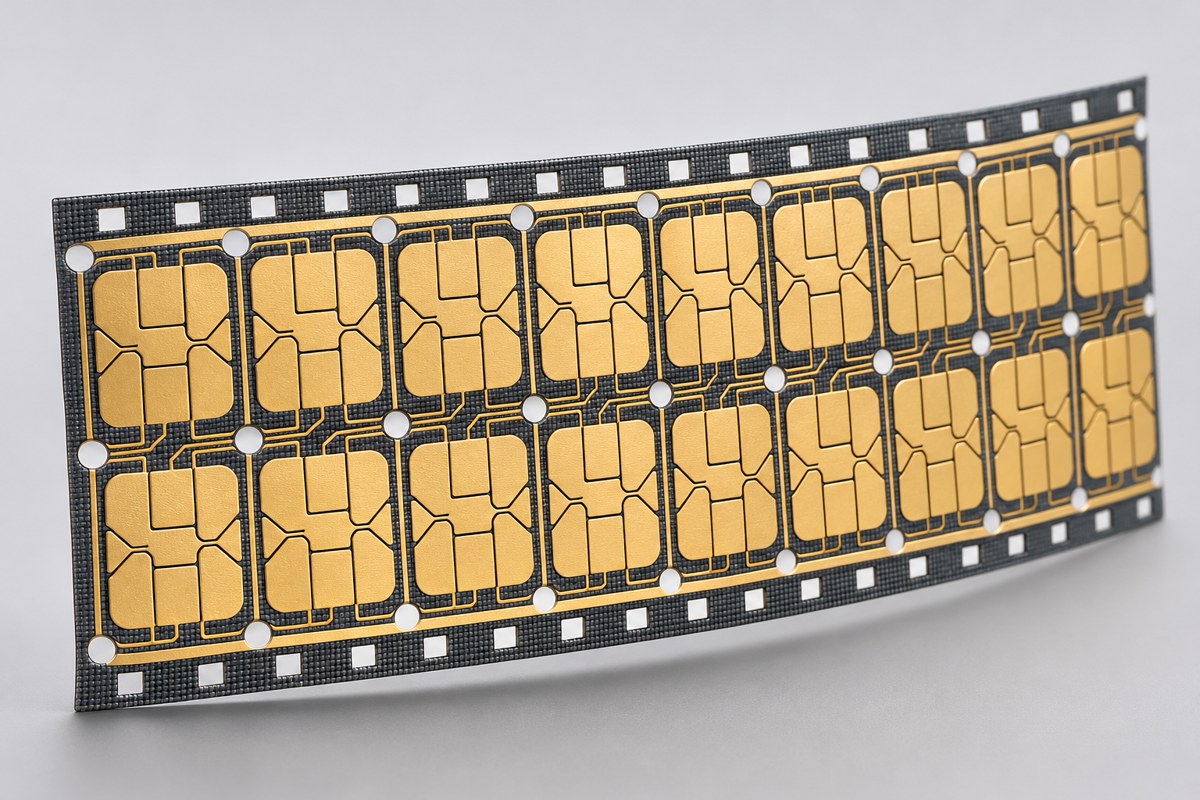 02 / APPLICATION CONTEXTS Designed into a wider systemPayment card projectsDiscuss the required chip functions, interface and scheme-specific program requirements for the selected configuration. Identity & credentialsReview reader compatibility, data handling and card construction for the intended identification workflow. Telecom-related projectsDefine the chip or module reference, mechanical format and system-level requirements for the intended telecom application. 03 / CONFIGURATION GUIDE What to define before selection
05 / INTEGRATION CHECKLIST Move from requirements to evaluation01 Define the applicationIdentify the system, reader or device reference and the environment in which the product will operate. 02 Confirm the configurationReview the product drawing, electronic requirements, delivery form and any necessary application approvals. 03 Evaluate representative samplesAgree on sample quantity, integration conditions and acceptance checks before confirming the production configuration. 04 Prepare the order briefConfirm product reference, drawings, quantity, delivery schedule and any agreed inspection or personalization requirements. Product-specific review points
06 / COMMON QUESTIONS A clearer starting pointDoes the module format determine the chip functions?No. Memory, processing, data handling and security features depend on the selected integrated circuit and configuration. Confirm the complete chip and module reference. What should be checked before embedding?Coordinate the module drawing with the card cavity, card material and embedding process. Agree on handling conditions and inspection criteria before production integration. Does a payment-card module imply payment approval?Approvals relate to specific products, software and systems. State the required program or scheme requirements so that the selected configuration can be reviewed; the module format alone does not establish approval. START A PRODUCT DISCUSSION Tell us what your application needs.Share the card application, chip or module reference, drawings, interface requirements, evaluation quantity and expected production schedule. Please identify any required payment, identity or telecom approvals for the project. Contact HIC SMART →Original product-family illustration. Exact construction, specifications and availability depend on the selected product drawing and written configuration confirmation. |